Radiant floor heating systems are increasingly common in Japan, Korea, and other cold-climate markets. For distributors, ensuring product compatibility with underfloor heating is critical to reducing claims, improving customer satisfaction, and maintaining long-term brand reputation.
Lord Parquet multi-ply engineered wood flooring has been successfully supplied to projects using radiant heating systems across Asia. This technical guide outlines best practices for specifying, distributing, and installing engineered wood flooring over heated subfloors.
Why Multi-Ply Engineered Flooring Performs Better Over Radiant Heating
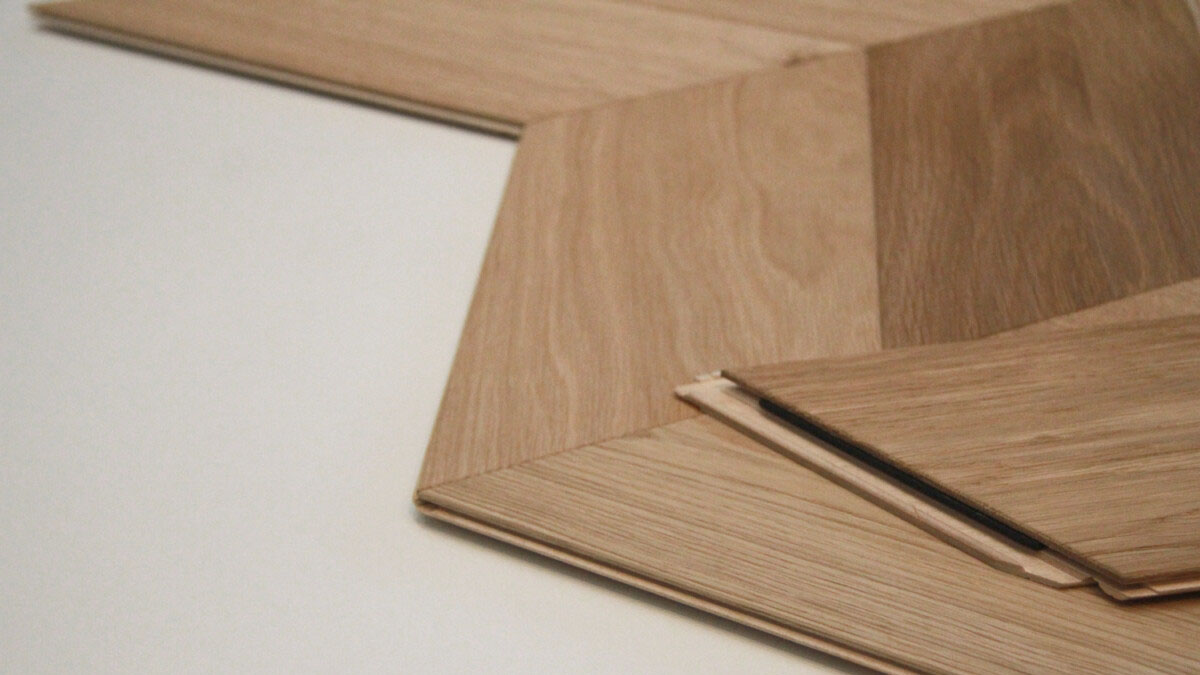
Compared to solid hardwood, multi-ply engineered construction offers superior dimensional stability.
Key structural advantages include:
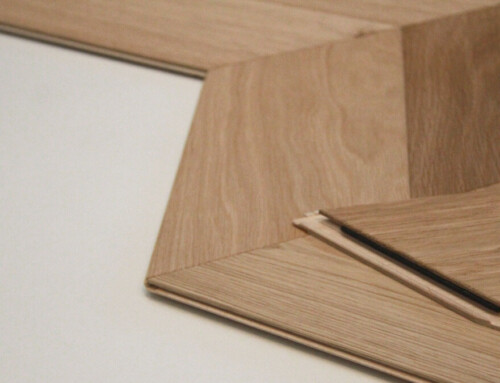
Cross-layer plywood core construction
Reduced expansion and contraction
Balanced internal stress distribution
Improved resistance to thermal movement
Because radiant heating systems create continuous upward heat exposure, flooring stability is directly related to construction quality. A properly manufactured multi-ply engineered board significantly minimizes seasonal gaps and surface stress.
Approved Radiant Heating Systems
Lord Parquet engineered flooring is suitable for:
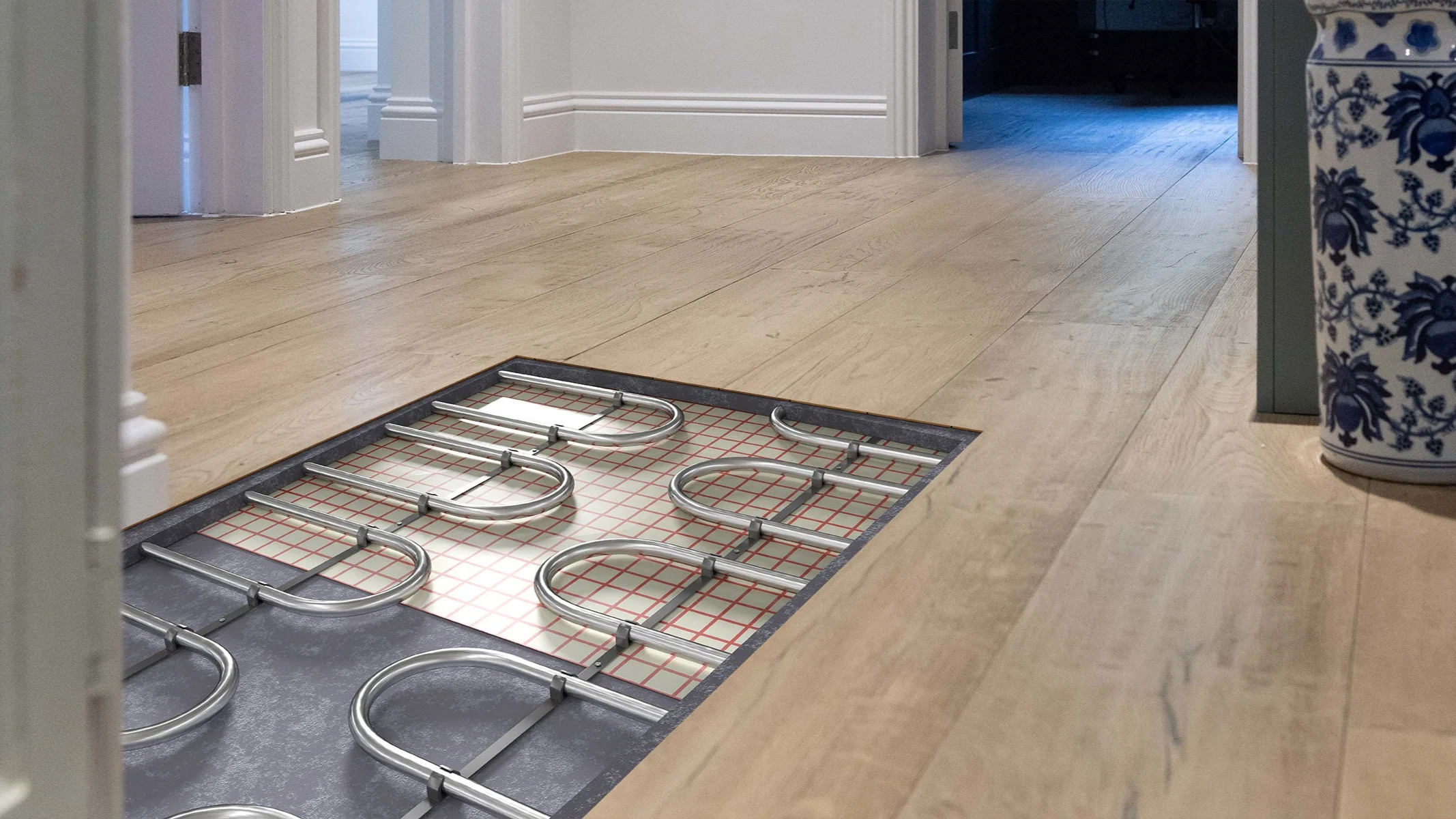
Hydronic (water-based) radiant heating systems
Electric radiant systems embedded within the subfloor
Not recommended:
Loose electric heating mats in direct contact with wood flooring
Systems exceeding maximum temperature requirements
Distributors should confirm that the heating system is permanently installed and thermostat controlled before approving installation.
Maximum Temperature Requirements
Maintaining correct temperature limits is essential.
Maximum floor surface temperature: 27°C (80°F)
Temperature increase should not exceed 2–3°C per 24 hours
Sudden temperature changes must be avoided
Excessive heat may cause:
Surface checking
Shrinkage gaps
Internal stress damage
Distributors should advise installers to always measure surface temperature rather than relying only on thermostat display settings.
Subfloor & Moisture Requirements
Radiant heat does not eliminate moisture risk. In fact, it may amplify movement if moisture levels are unstable.
Concrete Subfloor Standards
Fully cured (minimum 28 days)
Moisture content ≤ 2.0 CM% (Calcium Carbide Method), or
≤ 75% Relative Humidity (in-slab test)
A moisture barrier is required over concrete substrates.
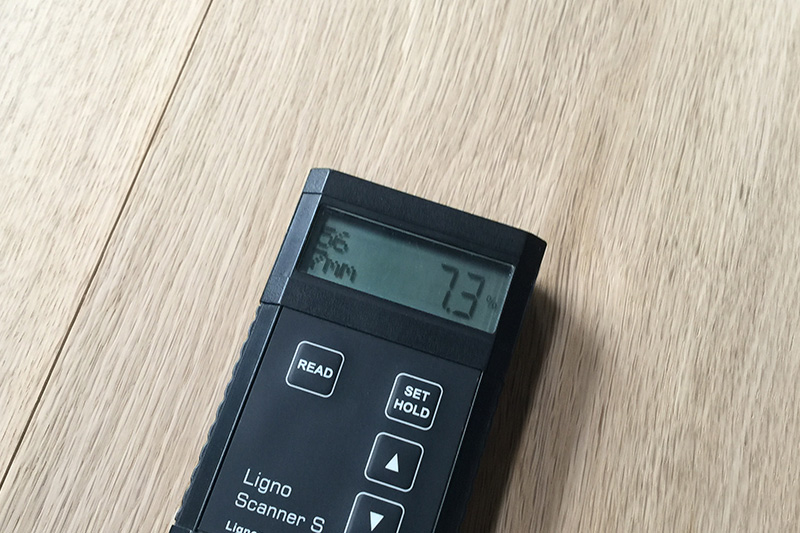
Wood Flooring Moisture Content
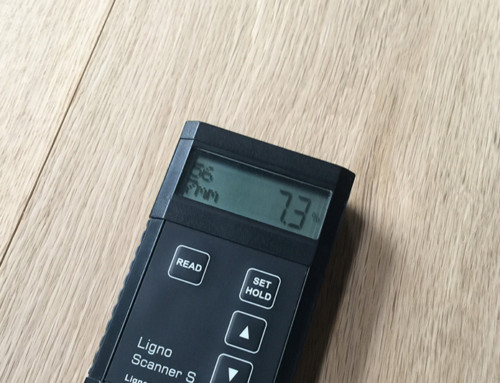
Flooring MC: typically 7%–11%
Subfloor and flooring MC difference: not more than 2–4%
Proper acclimation (48–72 hours under normal living conditions) is required before installation.
Recommended Installation Method
For radiant heating applications:
Glue-Down Installation (Strongly Recommended)
Full-spread flexible polyurethane adhesive
Adhesive rated for heated subfloors
Proper trowel size per adhesive manufacturer
Glue-down installation ensures:
Better heat transfer
Reduced hollow sound
Improved dimensional control
Floating installation is acceptable only if an approved underlayment system is used and heating is evenly distributed
Nail-down installation is generally not recommended over radiant heating systems.
Heating System Start-Up Procedure
After installation:
Ensure adhesive is fully cured (minimum 48–72 hours).
Start system at approximately 18°C (65°F)
Increase temperature gradually by 2–3°C per day.
Do not exceed 27°C (80°F) surface temperature.
Gradual heating allows the wood structure to adjust safely to thermal conditions.
Indoor Climate Control Requirements
Radiant heating reduces indoor humidity during winter months.
Recommended indoor environment:
Relative Humidity: 40%–60%
Temperature: 18–24°C (64–75°F)
Humidification systems are strongly recommended in cold seasons to prevent excessive shrinkage or surface cracking.
Distributors should clearly communicate that maintaining indoor climate is the end user’s responsibility.
Wood Species Considerations
Some species perform better than others over radiant heat.
More dimensionally stable species:
Oak
Walnut
More sensitive species:
Beech
Maple
Certain dense exotic hardwoods
Multi-ply construction improves performance across all species compared to solid hardwood flooring.
Distributor Responsibility & Risk Control
To minimize warranty claims, distributors should:
Confirm heating system type before approval
Provide written installation guidelines to dealers
Recommend certified installers
Ensure moisture testing documentation is completed
Educate clients on humidity control
Clear technical communication protects both the distributor and the end customer.
Why Distributors Choose Lord Parquet for Radiant Heat Markets
With years of supply experience to Japan and Korea—where underfloor heating is standard—Lord Parquet engineered flooring has proven performance under controlled radiant heating environments.
Our multi-ply structure is designed to deliver:
Dimensional stability
Structural integrity
Consistent quality control
Compatibility with heated floor systems
We support our distribution partners with detailed technical documentation and application guidance to ensure successful project execution.