Hey guys!
This is Denny from LORD PARQUET. Welcome to LORD FLOOR TALK SHOW today!
In recent years, the demand for indoor living and working spaces has increased significantly. As a result, the construction and building materials industries have become extremely active, attracting many new players, especially in the flooring business, and we have many inquiries from them.
China has now become the world’s manufacturing center, producing nearly 90% of the wooden flooring and vinyl flooring used globally.
So today’s topic is: How to import flooring from China?
This sounds simple, but in reality, it’s not always easy. Let’s go through everything step by step.
First off, when planning to buy flooring from China, you need to clarify your purpose for purchasing.
Are you a flooring retailer/installer who typically sources locally? Or a builder/contractor in need of flooring for construction projects?
If so, importing directly from Chinese suppliers is a great trial—it can lower your unit cost per sqm or help you secure unique products for your business.
However, if you’re only buying for your own house, or if you make just one purchase per year, direct import may not be ideal—unless you already have strong experience working with overseas suppliers or cannot find what you want in your local market.
Why is that?
Because flooring is considered heavy cargo, and the most economical way to ship it is by sea with containers.
A 20–40 ft container can load 1,500–3,000 sqm of flooring.
If your order is under 300 sqm, you’ll likely need to ship via LCL (Less than Container Load), which can cost double compared to a full container.
Another reason is production variation.
For small orders, if you run short during installation, it is extremely difficult for a factory to produce just an additional 3–5 sqm. Even if they do, the color and finish may differ from the original batch, which can be a nightmare during installation.
In these situations, it’s safer to buy locally where distributors maintain stock.
That said, if you’re placing large-volume orders or planning long term purchases, importing directly from China is well worth it. But you need to pay close attention to the following key aspects:
1、The first step:
You need to narrow your choice by confirming what types of flooring you want to use for your job, or in your business. The flooring industry mainly includes: Hardwood Flooring、Engineered Wood Flooring、Laminate Flooring、Vinyl Tiles and Bamboo Flooring.
Although all are “flooring,” their production processes, suppliers, and expertise are completely different.
A vinyl supplier may not understand wood species, and a wood flooring supplier may not handle vinyl decor films.
Unless you work with a company experienced in both fields, you need to choose suppliers carefully.
2、The second step: How to Find Flooring Suppliers
There are several effective ways to source suppliers: Google、B2B platforms (Alibaba, Global Sources)、Instagram, LinkedIn
Another great way to find more professional flooring suppliers is to hit up trade shows! Here we introduce some good shows globally in wooden floor business:
First off, the Domotex fair—they host shows in different spots around the world every year, like Domotex Hanover, Domotex Asia, Domotex Turkey, and even Domotex US. If Asian suppliers are your target, don’t miss Domotex Asia—it’s the ultimate spot to link up with Chinese and regional experts! You won’t just get to chat face-to-face with Chinese and Asian suppliers about your exact needs—you’ll also spot tons of world-famous flooring brands to get a feel for the latest trends.
You can also check out other awesome shows, like Surface in Las Vegas, The Big 5 in Dubai, or even local building expos—like the Korean Building Show, Japan Building Show, and so on.
Now let’s dive right into how to work with hardwood and engineered wood flooring suppliers.
After verifying their credibility, let’s break down the key product details—super important stuff!
Once you’ve found some suppliers that seem promising, or if you’re loving some of their colors or textures, here’s how to start the conversation—focus on these key points:
Ask them for factory photos and videos to make sure they can actually produce and supply the specifications and styles you want. Also, request certificates, testing reports, or even business references—like which markets or countries they already supply to.
You might be talking to a trading company instead of a direct factory, but that’s totally fine! The most important thing is that the supplier you’re dealing with is professional, their prices are reasonable, and they fit your budget.
Let’s talk about the product details—super important stuff!
First up: timber species. These days, around 80% of wooden flooring worldwide is made from oak, and for good reason—it’s super flexible when it comes to staining and finishing. You can also easily get other popular species like walnut, Burma teak, or hickory, plus exotic options from South America or Africa.
No matter which species you’re eyeing, there are two key principles to stick to:
First off, do your market research thoroughly—get crystal clear on what’s most popular in your target market, or what your company/store wants to showcase to your buyers.
Make sure the species has a stable supply chain. Here’s a pro tip: oak, walnut, teak, ash, and hickory are almost always reliable. But some Southeast Asian or African exotic species might vanish in a few years—you never know! It all depends on the logging industry. Most Western countries log timber legally and sustainably, but a lot of tropical hardwoods are logged illegally, which can lead to supply shortages down the line.
Next, let’s dive into flooring structure:
Hardwood Flooring: This is the classic option, but you need to pay extra attention to installation methods and moisture barriers—don’t skip those!
Engineered Wood Flooring: There are tons of different structures out there: 3-layer engineered, multi-ply engineered, even vinyl-core flooring with a timber veneer top. Which one works best for you depends on your market positioning, budget, and local climate.
According to our experience, 3-layer engineered flooring is perfect for cold, dry regions.Multi-ply works in almost any climate worldwide. But there are different plywood cores too—like eucalyptus, birch, or poplar,so ask your supplier for all the details here.
Vinyl-core engineered Flooring is great for moisture resistance, but the top timber veneer is usually pretty thin. If you go with a thicker veneer, you might run into issues like delamination or cracking—plastic/PVC just can’t hold heavy timber well enough.
Then there’s specifications and styles—this depends on your project (like the size of the rooms/houses) or your target market. For example:
Asian countries mostly prefer narrower planks, like 125mm or 150mm.
Western countries love wider options—190mm, 220mm, or even bigger.
You can totally chat with your supplier about different ranges for different markets, too!
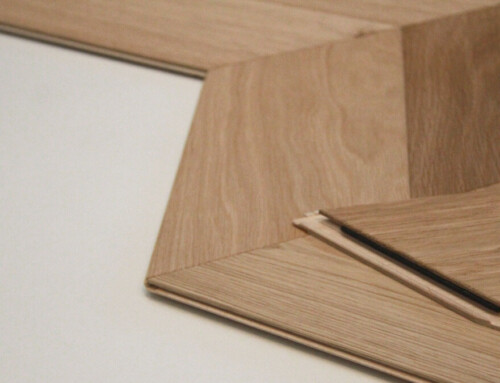
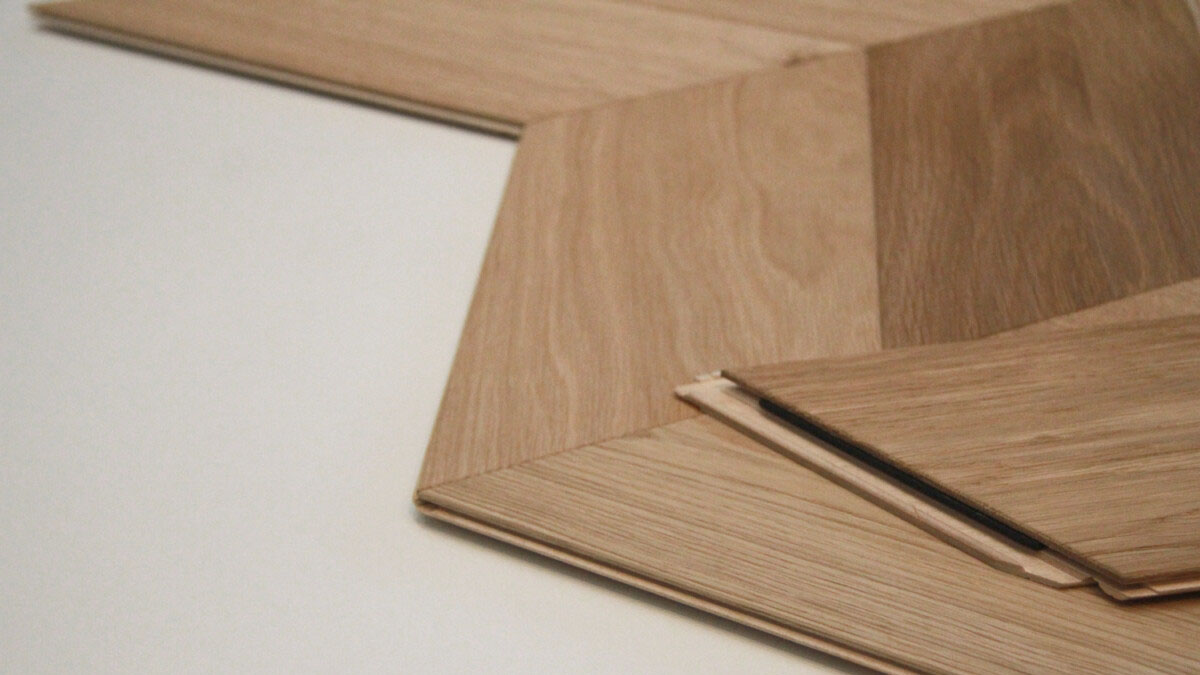
Different sizes also open up different installation patterns—like “Planks”, “Herringbone”, “Chevron”, or “Tiles”. Most suppliers can handle standard specs, but there are also specialized factories that can make super-wide planks (like 4000mm, 5000mm, or even larger) if that’s what you need.
Let’s move on to color and surface finish—this is where the magic happens, but it’s also where mistakes are easy to make!
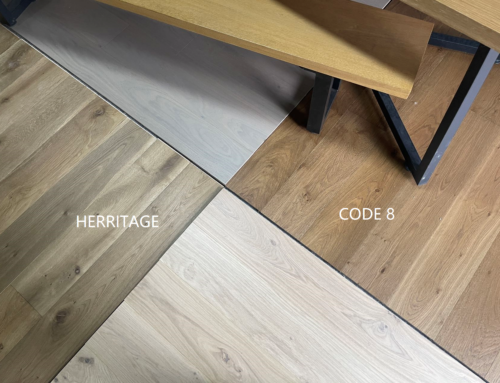
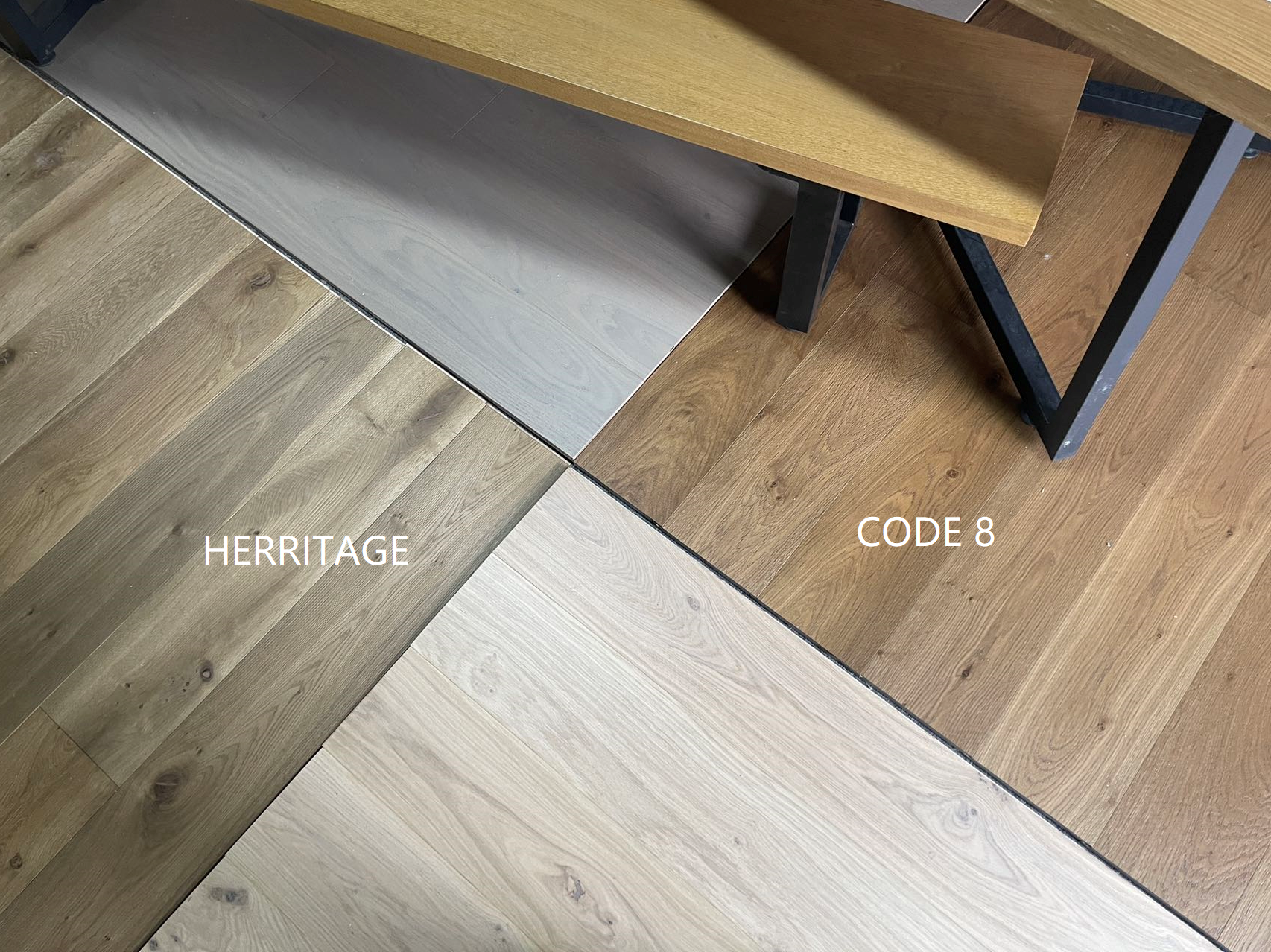
You might find tons of amazing colors, styles, and treatments online or at trade shows, but here’s the golden rule: always work with physical samples. Screens lie! A color that looks rich on your phone might be washed out in real life, and you can’t tell if it’s light/dark, glossy/matte, smooth, or brushed just from photos—that’s totally unprofessional and a recipe for disaster.
So ask your supplier to send you samples of the colors you love (whether from their website or even your competitors). Once you both have the same sample in hand, you can dive into the details together.
Make sure to cover these key points:
Coating type: UV lacquer, UV oil, or hardwax oil?
Gloss level: Extra matt (10%), semi-matt (20%), high gloss (30%), or something in between?
Surface texture: Light brush, medium brush, handscraped, or smooth?
The more details a supplier can provide, the more professional they are—no shortcuts here!
If you need some specific color for your projects, ask if they can make counter samples. Most Chinese suppliers will agree, as long as you discuss the order scale and specific specs upfront. But heads up: they’ll usually ask you to cover the courier or express fees. And if you’re looking for specialty floors like Versailles Parquet or Geometric Parquetry? Be ready to pay more for samples—each one can cost $100 or even more, since they’re more complex to make.
Next up: milling profile. Talk to your supplier about:
Installation system: Tongue and Groove (T&G) or Click System?
Bevel size: Do you want a square edge, a subtle eased bevel, or a full eased bevel?
If you’re replacing an existing supplier and need the new flooring to match your old profile, use a sample as a reference—this is the safest way to avoid miscommunication.
For specialty floors like “Panel Tiles” or “Geometric Parquetry”, you’ll need to dive deeper into the details, but we’ll save that for another topic!
Now, let’s tackle the timber grading—this is the trickiest part for most buyers, and it’s where a lot of deals fall through.
Grading standards vary worldwide:
In the US: They use terms like “Select,” “Natural,” and “Character.”
In Europe: It’s “Rustic A” and “Rustic B.”
In Asia: Suppliers often use “AB,” “ABC,” “CD,” or “EF.”
We can’t cover every grading rule today, but here’s how to get it right with your supplier:
Ask for their detailed grading chart. Every reputable wood business should have one, outlining things like knot size/volume, crack length, sapwood percentage, and other defects.
Request photos or videos of raw, unfinished timber veneers—at least 8-10 pieces. Unfinished veneers show the true grading, since stains or coatings can hide defects (especially with grey or dark finishes).
Discuss filler/repair details: What color and style will they use to fix defects? This affects the final look!
Put the grading rules in writing—add them to your proforma invoice or contract. This protects both sides from disputes later.
Before you finalize the order, let’s talk about packing and shipping.
For your first order, ask the supplier for packing details: How many sqm/pieces per box? What’s the box size? Use this info to work with your designers on custom packaging if needed.
Also, confirm container loading: How much sqm fits in a 40ft container? Can they mix different specs/items in one container? They’ll help you figure it out.
Finally, ask for a proforma invoice—but make sure to clarify these key points first:
Trade terms: FOB, CNF/CFR, or something else? Who pays for shipping? Most Chinese suppliers prefer FOB to avoid shipping risks.
Delivery time: For standard orders (non-specialty, non-peak season), Chinese suppliers usually take 45-60 days to produce and ship.
Payment terms: The standard is 30% advance deposit, with the balance due against a copy of the Bill of Lading (BOL)—meaning you can pay the final amount once the container is at sea.
Once you’ve paid the deposit and given the green light, stay in touch! Ask your supplier to send weekly updates (photos or videos) so you can confirm production is on track—no delays, no surprises.
That’s a wrap for today’s guide on buying wooden flooring from China! We wish you tons of luck and hope you find long-term partners.
LORD PARQUET has 15 years of experience in the wood flooring industry—we’re here to help! If you have any questions or purchase needs, feel free to reach out. We’re always ready to collaborate with you guys!